





-
 Uncategorized
-
 0 Comments
How to Inspect and Clean Home Gutters Like a Professional
Preparing Your Work Area
Before beginning any gutter maintenance work, ensuring your safety is the most important first step. Position a sturdy ladder on level ground, using ladder stabilizers to prevent damage to your gutters and maintain stability. Always have someone nearby who can assist if needed, and never work on gutters during wet or windy conditions.
Gather the proper equipment before ascending: heavy-duty work gloves to protect against sharp edges and debris, safety glasses to shield your eyes from falling particles, a sturdy bucket or bag for collecting debris, a garden trowel or gutter scoop, and a garden hose with a spray nozzle. In Yorktown Heights, NY, where autumn leaves from oak and maple trees can create substantial buildup, having the right tools makes the job significantly more efficient.
Check your ladder’s weight capacity and condition before use. Ensure all locks are engaged and the ladder extends at least three feet above the roofline for safe entry and exit. For multi-story homes or properties with steep rooflines common throughout Westchester County, consider whether this task is best left to professionals who have specialized equipment and training.
Identifying Problem Areas
A thorough inspection reveals potential problems before they escalate into costly repairs. Begin at one end of your gutter system and work methodically toward the other, examining every section carefully. Look for signs of sagging, which indicates either improper pitch or failing hangers, and check for gaps between gutter sections where water might escape.
Pay close attention to the fascia board behind the gutters. Water stains, rot, or discoloration suggest that water has been overflowing or leaking, potentially causing structural damage. Inspect all seams and joints for signs of separation or deterioration of sealant. In areas experiencing freeze-thaw cycles like Yorktown Heights, these joints are particularly vulnerable to damage as ice expands and contracts.
Examine the gutter pitch by observing whether water pools in any section after rainfall. Gutters should slope approximately one-quarter inch for every ten feet toward the downspouts. Check all mounting brackets and hangers for corrosion or looseness, and inspect downspouts for proper attachment and any obstructions that might prevent water flow. Document any issues you discover, as this information helps prioritize repairs and provides a baseline for future inspections.
Clearing Blockages and Testing Flow
Start debris removal at the downspout openings to prevent pushing material into these critical drainage points. Use your gutter scoop or garden trowel to remove leaves, twigs, shingle granules, and accumulated sediment, placing material into your collection bucket. Work in small sections, typically three to four feet at a time, to maintain balance and control on the ladder.
After removing the bulk of debris, flush the gutters with your garden hose, starting at the end farthest from the downspout. This reveals any remaining blockages and allows you to verify proper water flow. Watch carefully as water moves through the system. It should flow smoothly toward downspouts without pooling or overflowing the edges. Any areas where water accumulates indicate either improper pitch or a hidden obstruction.
Clean the downspouts by running water through them from the top. If water backs up or drains slowly, you have a clog that requires attention. For stubborn blockages, a plumber’s snake can be fed from either the top or bottom to break up the obstruction. In Yorktown Heights, where seasonal pollen in spring combines with leaf debris in fall, downspouts often require extra attention during these peak periods. Regular maintenance prevents these materials from compacting into solid blockages that are far more difficult to address.
When to Call a Gutter Contractor
While homeowners can handle basic cleaning and inspection, certain situations call for professional expertise. Significant sagging, extensive rust or corrosion, large gaps in seams, or damaged fascia boards require the skills and equipment that gutter repair contractors provide. Similarly, homes with multiple stories, steep roof pitches, or complex rooflines present safety challenges that make professional service the wiser choice.
For properties throughout Yorktown Heights and surrounding Westchester County communities, scheduling professional inspections twice annually catches problems early when repairs are simpler and less expensive. Spring inspections address winter damage and prepare your system for heavy summer storms, while fall maintenance removes seasonal debris before winter weather arrives. Professional gutter cleaning services bring specialized equipment, including high-powered vacuums and pressure washers, that achieve more thorough results than typical homeowner tools.
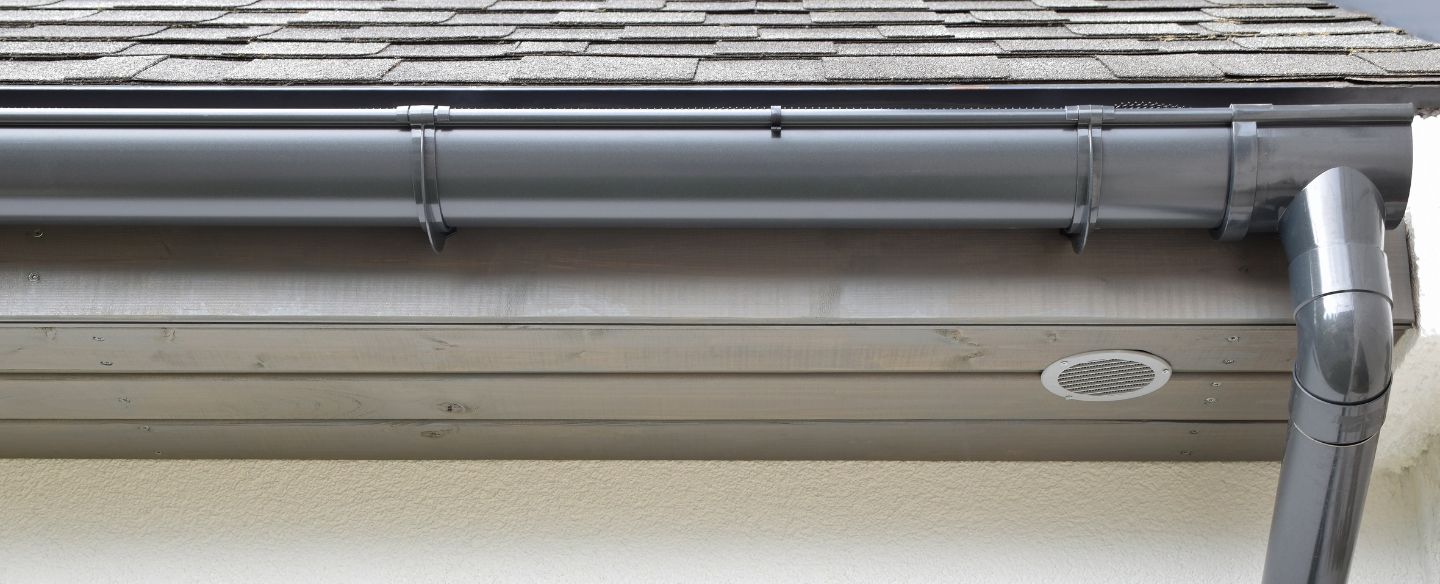
When inspection reveals that your gutter system has reached the end of its service life, replacement with modern seamless gutters eliminates many common failure points. Aluminum gutter installation offers durability and low maintenance, while copper gutter systems provide distinctive aesthetics and exceptional longevity for properties where appearance matters. Professional installation ensures proper pitch, secure mounting, and integration with soffit and fascia systems, protecting your home’s structural integrity for years to come.
Maintaining your gutters protects your foundation, prevents basement flooding, preserves landscaping, and extends the life of your roofing system. Whether you handle routine cleaning yourself or partner with qualified professionals for comprehensive care, consistent attention to this critical system safeguards one of your most significant investments. For guidance tailored to your property’s specific needs, contact our team to discuss inspection, maintenance, or installation solutions.
Choosing Low-Quality Materials and Poor Downspout Placement
The final critical mistakes involve material selection and drainage termination. Thin-gauge aluminum gutters and flimsy vinyl systems may cost less initially, but they dent easily, crack in cold weather, and fail prematurely under normal service conditions. Similarly, premium copper rain gutter installation offers superior longevity and corrosion resistance that justify the higher initial investment for homeowners planning long-term ownership.
Downspout placement determines where thousands of gallons of water discharge from your roof annually. When downspouts terminate too close to the foundation or empty onto hard surfaces that slope back toward the house, all the benefits of a functional gutter system vanish. Water still concentrates at the foundation, causing the same basement leaks, foundation settlement, and landscape erosion that gutters are meant to prevent. Many properties in our area have clay-rich soil that swells when saturated, putting additional pressure on foundation walls and basement floors.
Professional aluminum gutter installation services specify appropriate material thickness and use seamless construction to eliminate leak-prone joints. They extend downspouts at least six feet from foundations using underground drains or splash blocks that direct water to appropriate discharge areas. Quality gutter contractors also consider your property’s grading, existing drainage patterns, and local soil conditions when designing downspout routing. These details separate adequate installations from systems that truly protect your home. When you invest in proper materials and thoughtful system design, you eliminate the recurring problems and expensive repairs that result from cutting corners on critical drainage infrastructure.
